
Activities and tourism in Pas-de-Calais
Between land and sea, from the Opal Coast to the Louvre-Lens, the department of Pas-de-Calais abounds in natural and heritage treasures.
It is a land of strong mining memory, joyful celebrations and great conviviality. Staying here for a few days means having the opportunity to immerse yourself in a powerful and unique identity.
For more information, do not hesitate to consult the dedicated websites, which will give you many ideas to enrich your stay.
The Opal Coast, recharging with maritime energy
A trip to the coast?
From Calais to Berck-sur-Mer, from the North Sea to the English Channel, the Opal Coast stretches over 200 km of dunes, cliffs and natural spaces.
A maritime paradise bathed in soft light where you can hike, enjoy the thrills of sand yachting, or simply breathe the vibrant, invigorating sea air.
The Ceramics Museum
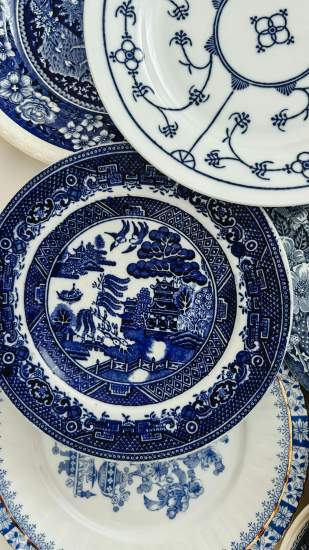
Just a few kilometres from Boulogne-sur-Mer, an amazing place awaits you in Desvres: the Ceramics Museum. Unique in its kind, it contains some 700 pieces that bear witness to age-old know-how.
Montreuil-sur-Mer
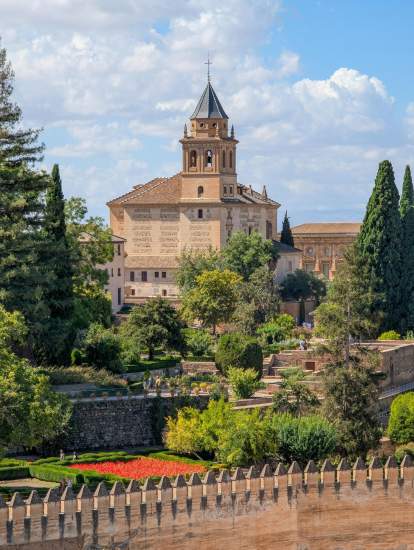
In Montreuil-sur-Mer, you will find the Citadel, a charming walk on the ramparts and, above all, the memory of Victor Hugo: he stayed only one night but set part of Les Misérables there. The town remembers this every year with a sound and light show well worth seeing.
Around Béthune, places not to be missed
Close to the main cities of Hauts-de-France, Béthune is an ideal base for urban visits or major cultural sites.
Old Lille and Arras are both very interesting destinations for day trips.
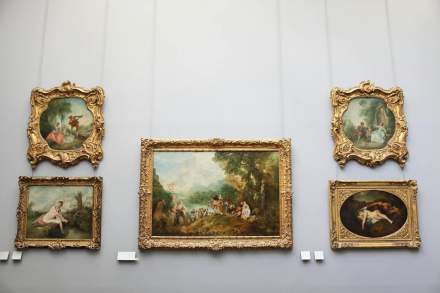
The Louvre-Lens
Less than half an hour’s drive from Royal Beaulaincourt is the Louvre-Lens. Inaugurated in December 2012, it presents 250 masterpieces from the Louvre’s collections and other partner museums in the Gallery of Time, a spectacular 3,000 m² space, accessible free of charge, where 5,000 years of the history of art and humanity are displayed to visitors. The museum also hosts temporary exhibitions.
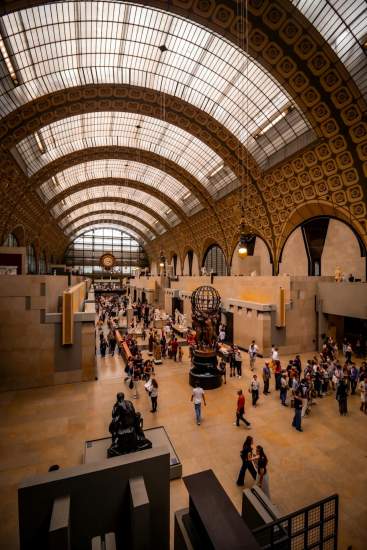
La Piscine de Roubaix
La Piscine – André Diligent Museum of Art and Industry – is housed on the site of the former Art Deco swimming pool in Roubaix. Inaugurated in 2001, the site has become an exceptional setting that houses permanent collections and spaces devoted to the history of the city, sculpture, etc.
Getting back to nature
Need a total digital and mental detox?
The region is rich in beautiful natural spaces.
You can take a walk in the Olhain departmental park, go into the forest in the Scarpe-Escaut regional natural park, or roam the bucolic paths of the Avesnois regional natural park.
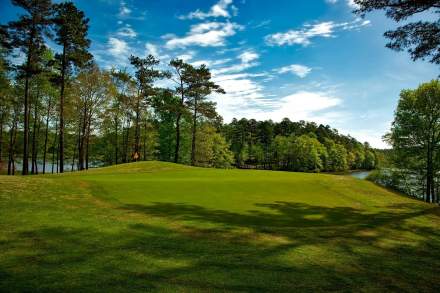
9- and 18-hole golf courses
If you are in a sporty mood, you will find 9- and 18-hole golf courses in the surrounding area.
Activities and tourism in Béthune
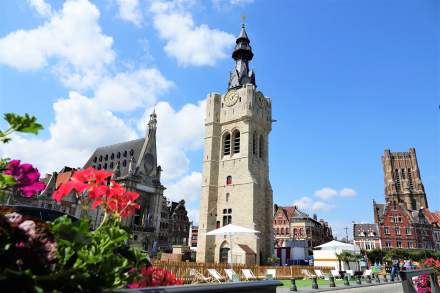
A proud 14th-century belfry, Saint-Vaast – a superb church with cathedral-like features, the Gare d’Eau – a wonderfully regenerating green space: for a first visit, Béthune offers plenty to delight the eyes as you discover its architectural and natural heritage.
Art Deco enthusiasts will be delighted: heavily destroyed during the First World War, Béthune offers beautiful examples of this architectural movement, very present in its reconstruction, harmoniously combined with northern red brick.
Do not miss the town hall, the former chamber of commerce building, the courthouse, the Grand’Place and some façades in the shopping streets.
Béthune is also a dynamic city in cultural terms.
“La Banque” – a former Bank of France branch – now houses a visual arts production centre where contemporary art exhibitions are regularly organised.
Finally, a trip to Béthune also offers a unique opportunity to delve into the history and identity of the region.
The nearby mining memory can be discovered at the ethnographic museum or in the surrounding landscapes.
The Great War has left striking traces: military cemeteries, battlefields, the Canadian National Vimy Memorial, the Ring of Remembrance at Notre-Dame-de-Lorette, and other memorial sites, whose visits, beyond the emotion they arouse, offer essential lessons.